A few words open doors
- Amahoro
- Peace / hello
- Urakoze
- Thank you
- Ego / Oya
- Yes / no
- N’agasaga
- Goodbye
Kirundi is the national language. French is widely used, and English is increasingly common in tourism and business.
Burundi’s identity lives in language, rhythm, hospitality and the everyday ways people gather. Arrive with context and curiosity.
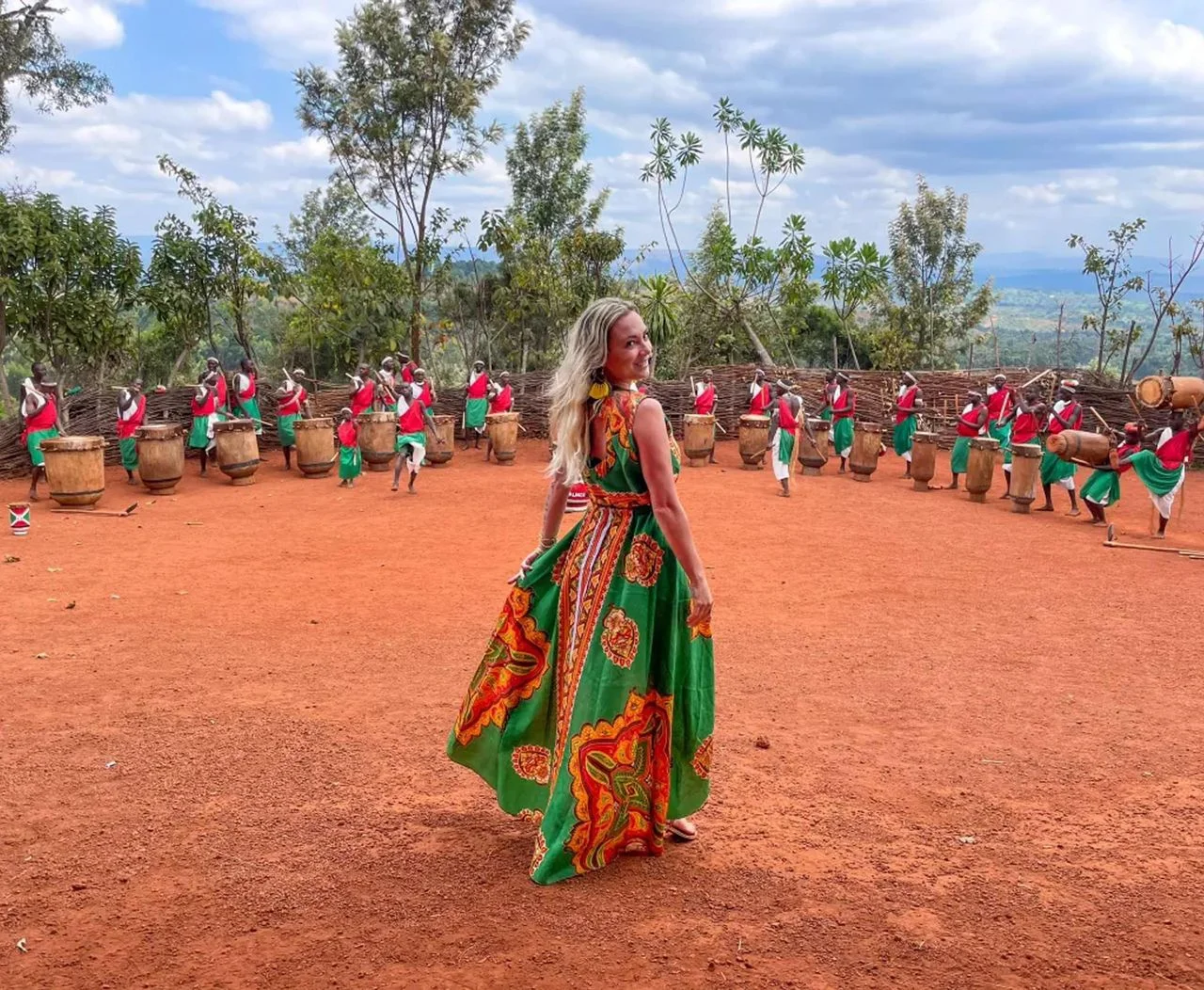
It is easy to notice Burundi’s drums. It takes longer to understand what they hold: royal memory, ceremony, discipline and pride. Culture also appears in quieter ways—in greetings, shared meals, family life, faith, craft and the time given to conversation.
Visitors do not need to master every custom. Respect begins with observation, asking before photographing people and accepting that relationships may matter more than a tight schedule.
The ritual dance of the royal drum combines synchronised drumming, movement, song and visual symbolism. UNESCO placed the tradition on its Representative List of the Intangible Cultural Heritage of Humanity in 2014.
Historically, drums marked major events of the Burundian kingdom. Today, places such as Gishora give visitors a powerful introduction when performances are arranged and interpreted with care.
Visit GishoraKirundi is the national language. French is widely used, and English is increasingly common in tourism and business.
Beans, plantain, cassava, rice, vegetables and grilled meat or fish form the centre of many meals. Mukeke and other Lake Tanganyika fish are especially associated with Bujumbura.
Accepting a shared meal is often part of the relationship. Ask your host or guide about handwashing, serving and any local expectations.
Greetings matter. Begin an interaction before moving directly to a request, especially in rural communities. A local introduction can make visits warmer and less transactional.
Dress is often modest. Neat, comfortable clothing is a safe choice for communities, cultural sites and places of worship.
Permission should be clear, especially for portraits, ceremonies and children. Do not photograph military, police, government or other sensitive facilities.
When someone agrees, take time, share the image if appropriate and avoid turning daily life into a spectacle.
“Travel as a guest, not as a collector.”
Pay fair local prices, use community-approved guides, reduce waste and ask where your entrance or performance fee goes.
Read the responsible travel guide