The Burundi library420+ ways
420+ ways
to know Burundi.
A large, carefully structured travel library—not placeholder pages. Choose a place, then find the exact planning angle you need.
Browse every guide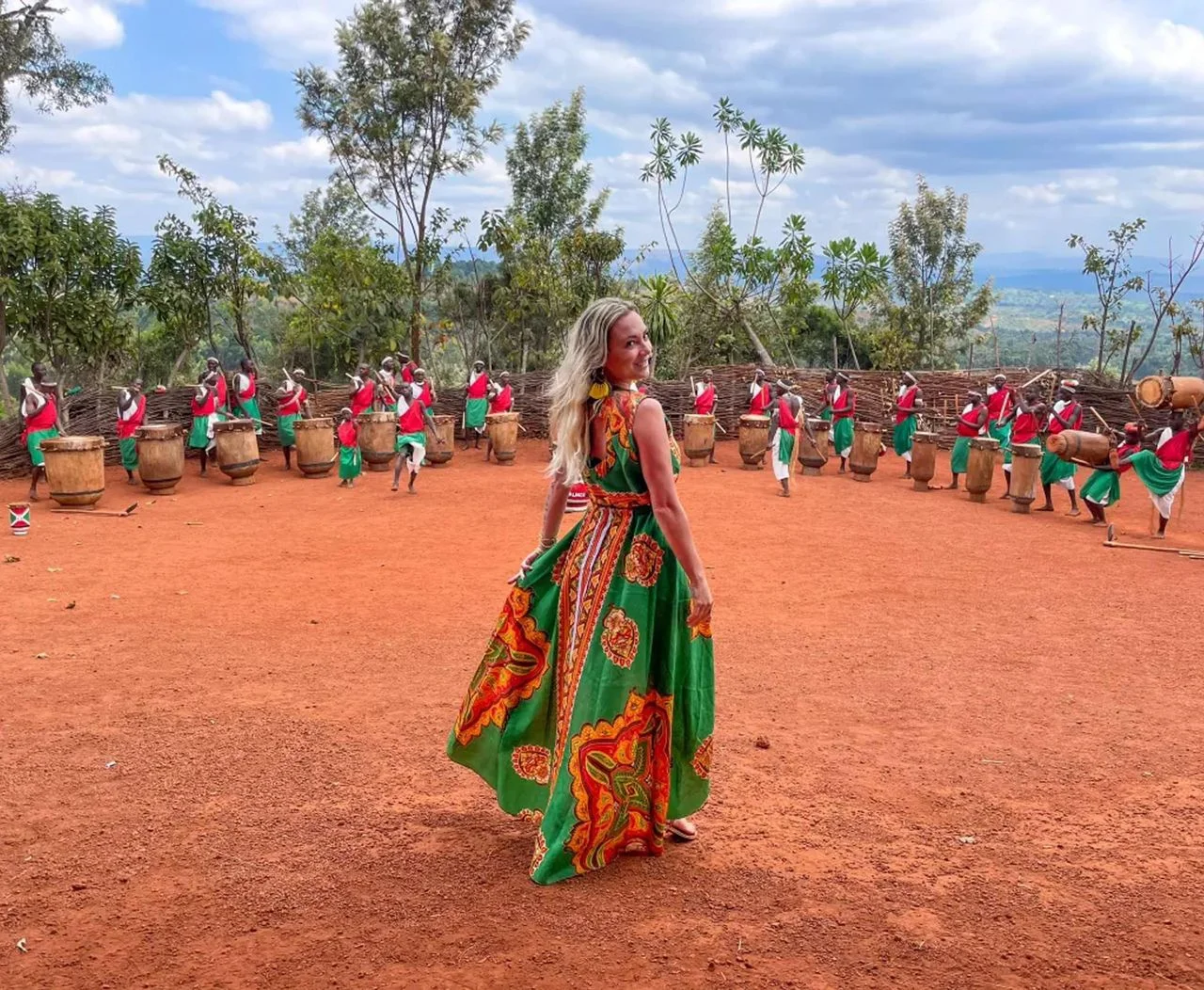
Built for useful discoveryStart with where.
Start with where.
Then choose how.
Each collection moves from complete and first-time guides into itineraries, photography, family, solo and couples travel, seasonal planning, budgets, local guides, accessibility, nearby routes and mistakes to avoid. Every page has its own title, description, canonical address and links to the wider guide.
01
City · Bujumbura Mairie
Bujumbura
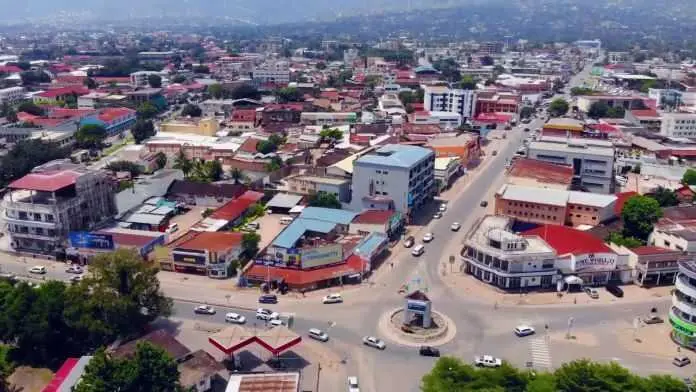
Bujumbura is Burundi’s energetic lakeside gateway, where markets, neighbourhood cafés, city history and Lake Tanganyika sit within a compact urban landscape.
02
Lake · Western Burundi
Lake Tanganyika
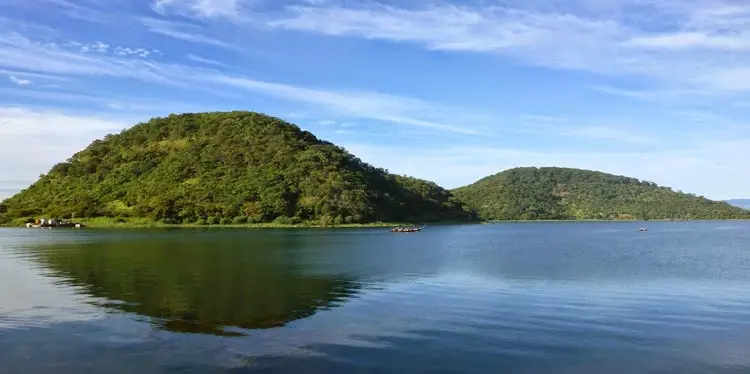
Lake Tanganyika gives western Burundi its horizon, supporting fishing communities, birdlife, beaches, boat journeys and Bujumbura’s distinctive evening light.
03
Nature · Bujumbura Rural
Rusizi National Park
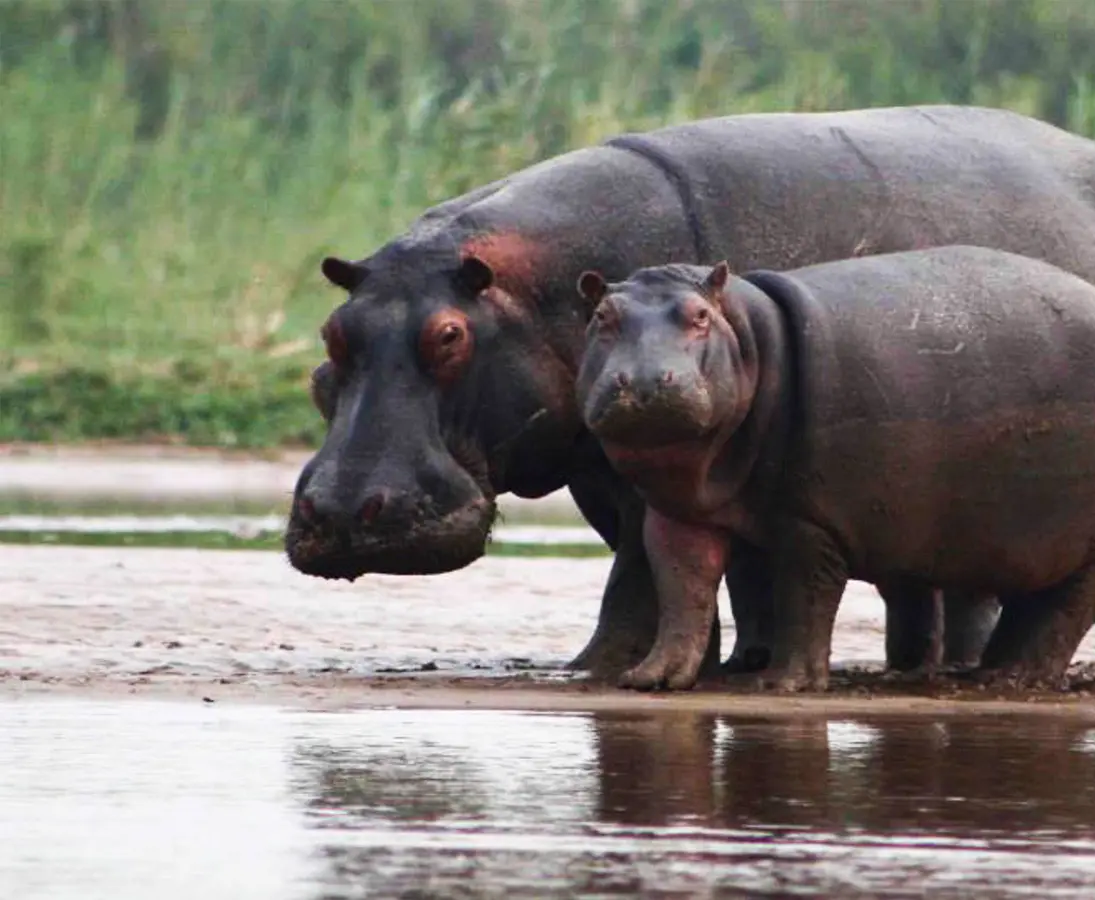
Rusizi protects river and delta wetlands close to Bujumbura, making it one of Burundi’s most accessible places for hippos, waterbirds and wetland scenery.
04
Culture · Gitega Province
Gishora Drum Sanctuary
Gishora is a powerful introduction to Burundi’s royal drum tradition, bringing together rhythm, movement, song, ceremony and stories of the former kingdom.
05
City · Gitega Province
Gitega
Burundi’s political capital is a highland centre for museum context, royal history, local food and routes toward Gishora, Rutana and eastern Burundi.
06
History · Gitega Province
National Museum of Gitega
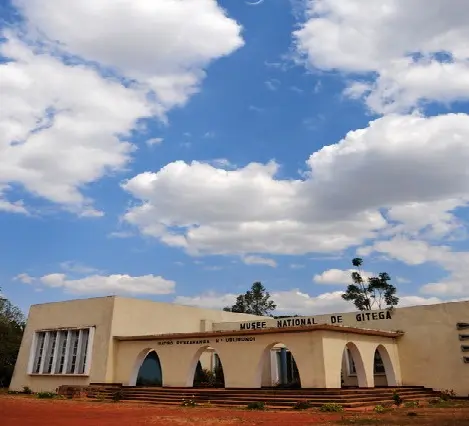
The National Museum of Gitega introduces material culture, instruments, objects and historical themes that help visitors understand Burundi beyond its landscapes.
07
Nature · North-western highlands
Kibira National Park
Kibira protects Burundi’s principal montane rainforest along the Congo–Nile Divide, with bamboo, mist, birdlife, primates and tea landscapes nearby.
08
Journey · Muramvya Province
Teza Tea Country
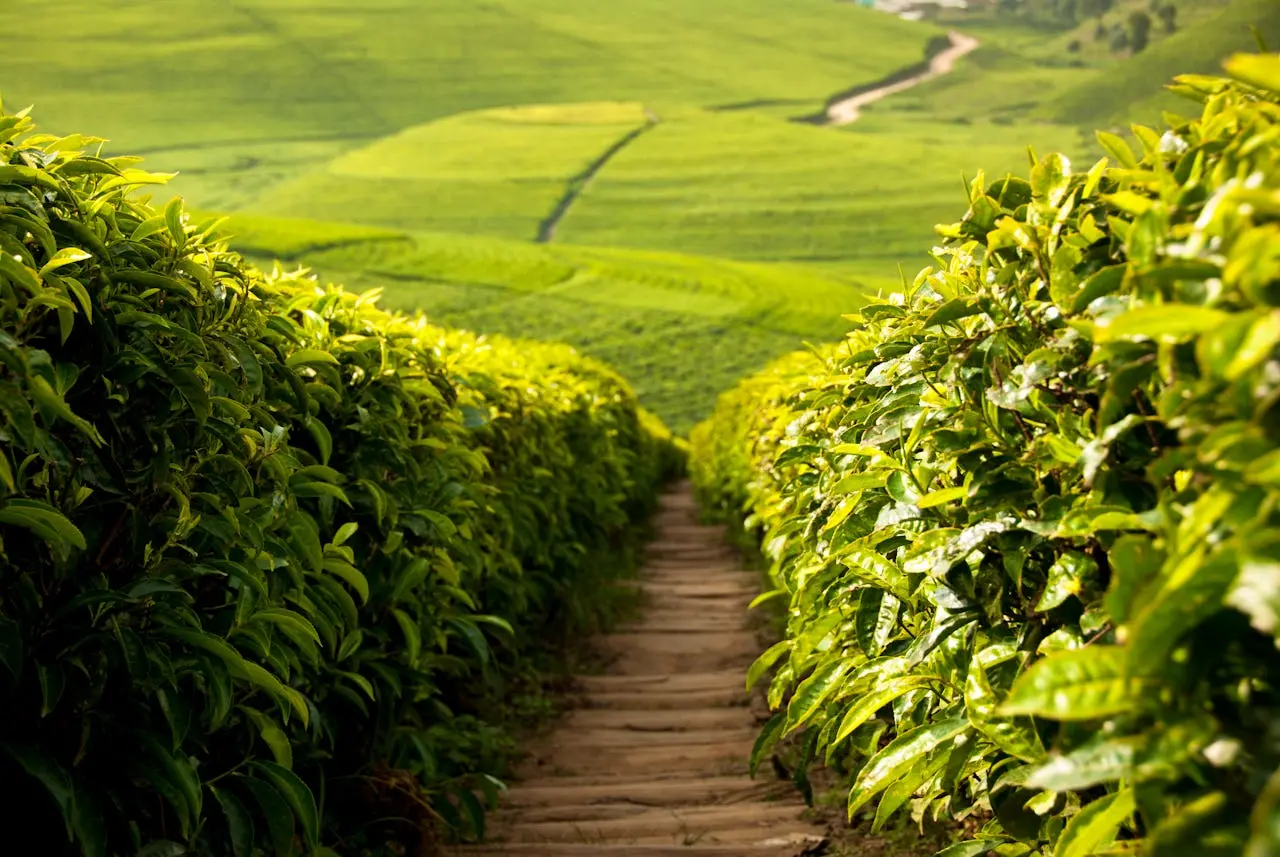
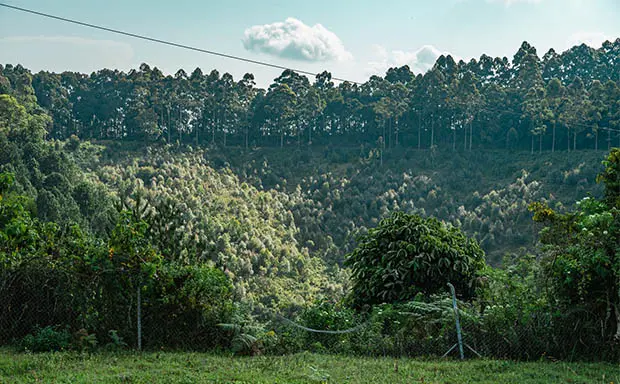
Teza’s luminous tea fields, cool air and curling highland roads create one of Burundi’s most photogenic working landscapes beside Kibira.
09
Nature · Rutana Province
Karera Waterfalls
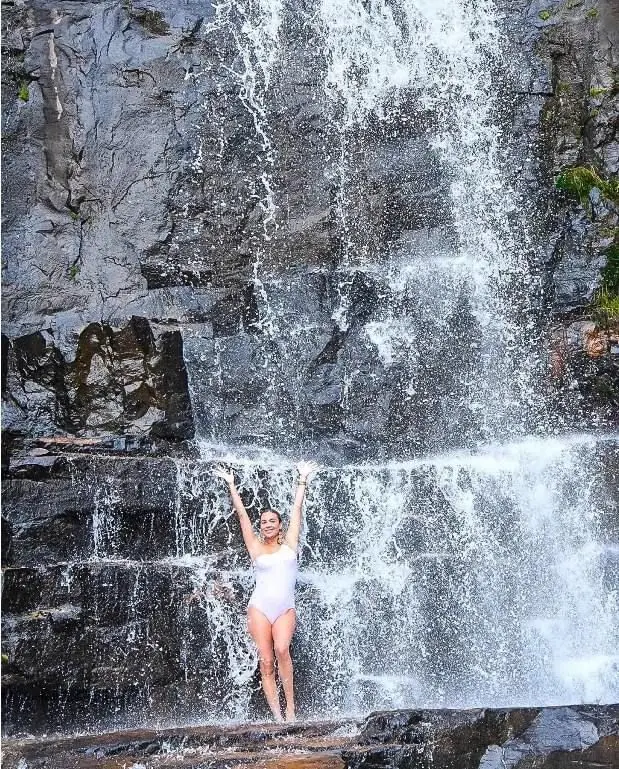
Karera is a sequence of cascades moving through rock and green vegetation in Burundi’s southern highlands, best experienced as a patient walk.
10
Nature · Rutana Province
Nyakazu Fault
Nyakazu Fault presents a dramatic geological escarpment and broad views across Burundi’s south-eastern landscape, often paired with Karera.
11
History · Bururi Province
Source of the Nile at Rutovu
The Rutovu site marks a celebrated southern source associated with the Nile system and offers a reflective stop in Burundi’s green highlands.
12
Lake · Kirundo Province
Lake Rwihinda
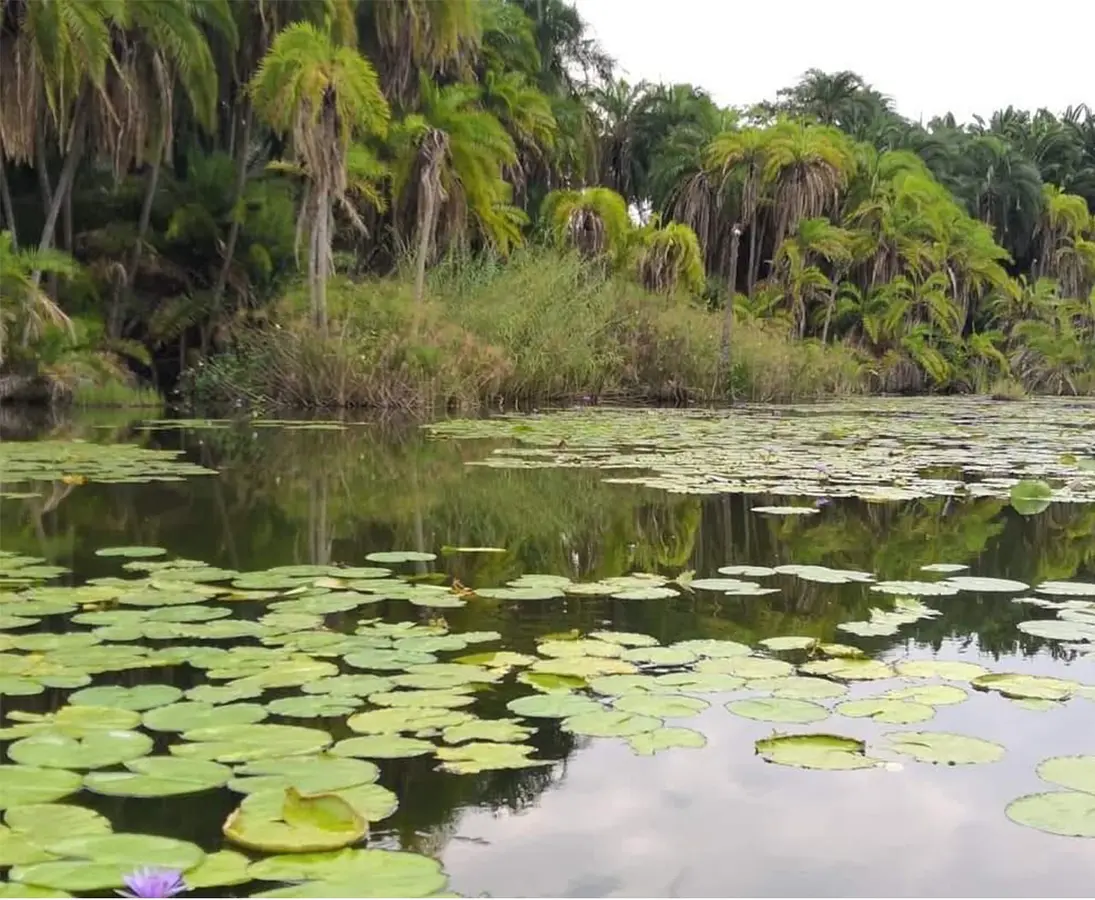
Lake Rwihinda is a peaceful northern wetland of open water, papyrus, water lilies and seasonal birdlife that rewards quiet observation.
13
Nature · Eastern Burundi
Ruvubu National Park
Ruvubu is Burundi’s largest protected landscape, following the Ruvubu River through eastern savannah, woodland and wetland habitats.
14
Nature · Bururi Province
Bururi Forest Nature Reserve
Bururi Forest offers a quieter highland nature experience with forest trails, birds and cooler air near the southern town of Bururi.
15
Nature · Bujumbura Rural
Mount Heha
Mount Heha is Burundi’s highest summit area, rising in the highlands east of Bujumbura and offering a demanding landscape-focused outing.
16
History · Mugere, south of Bujumbura
Livingstone–Stanley Monument
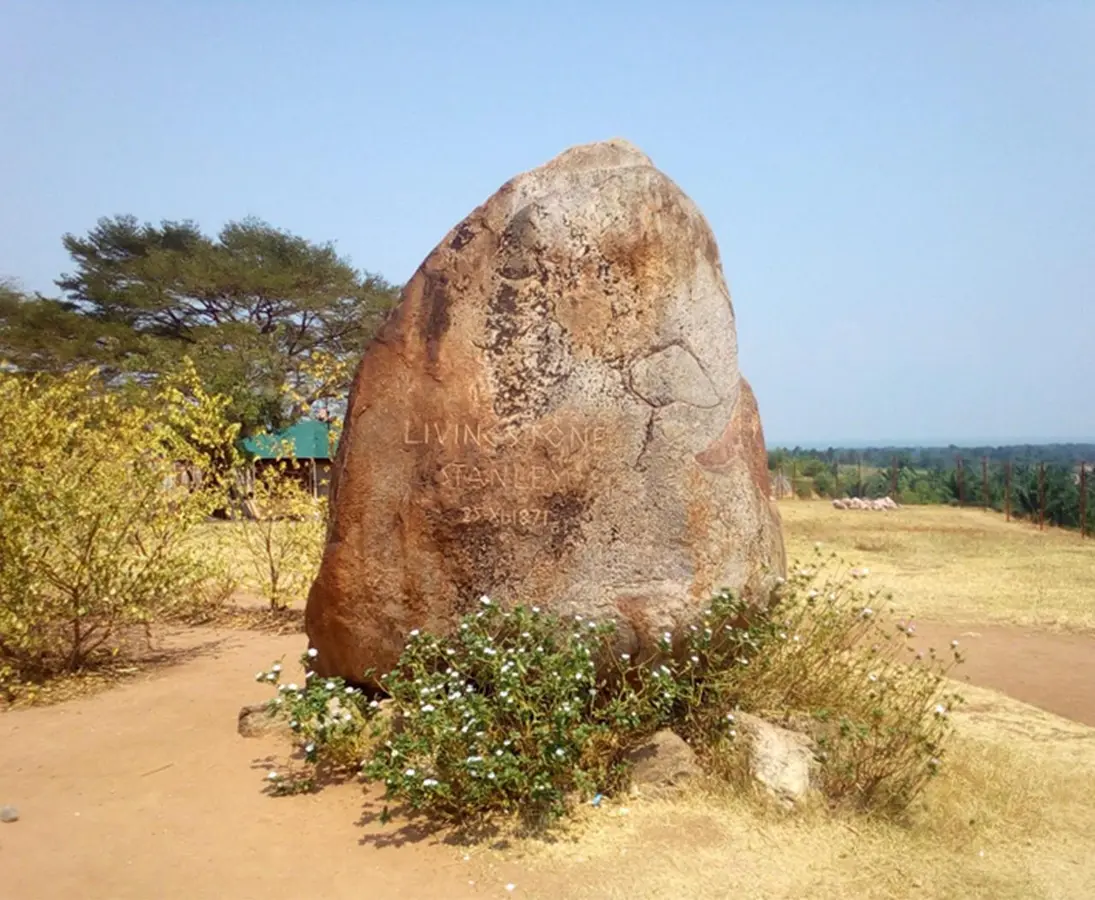
The Mugere monument marks the explorers’ 1871 stay beside Lake Tanganyika south of Bujumbura and invites a more accurate discussion of the famous journey.
17
City · Rumonge Province
Rumonge
Rumonge is a southern Lake Tanganyika town of palms, fishing, trade and shoreline landscapes, best reached as part of a slow road journey.
18
Culture · Community locations vary
Batwa Cultural Experiences
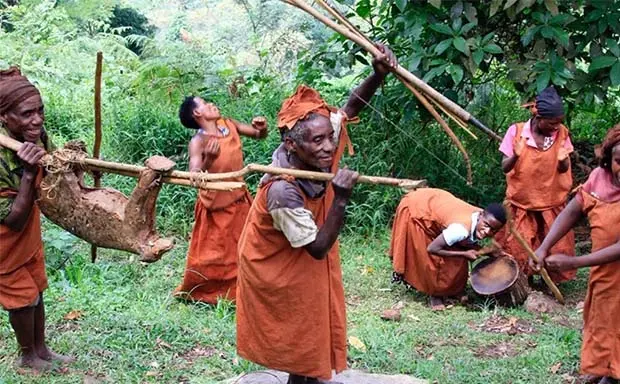
A well-arranged Batwa cultural visit can create space for craft, dance, community history and direct local benefit when led on the community’s terms.
19
Culture · Across Burundi
Burundian Food
Burundian food brings together beans, plantain, cassava, rice, vegetables, grilled meat and Lake Tanganyika fish in meals shaped by region and season.
20
Journey · Central Burundi
Burundi’s Central Highlands
The central highlands connect Bujumbura with Gitega through climbing roads, cultivated ridges, cooler air and far-reaching views.
21
Journey · Nationwide
Burundi Road Journeys
Road travel is how most visitors understand Burundi, linking the lakeshore, central plateau, tea hills, forests, waterfalls and provincial towns.