Practical travel

Plan well. Travel with room to breathe.

The best Burundi journeys are prepared but not overpacked. Use this guide to get the essentials right, then leave space for weather, roads and conversation.

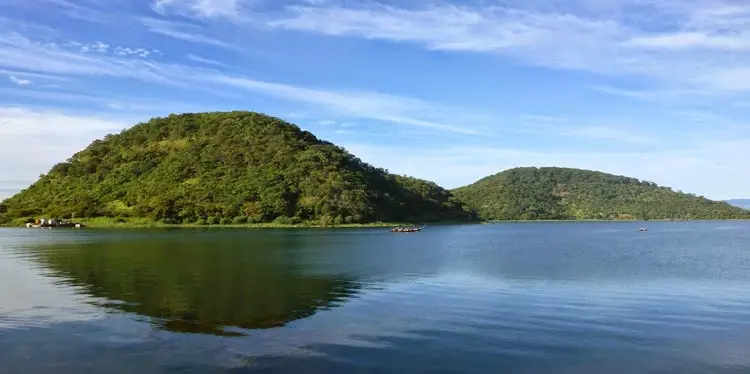
Blue water and forested hills at Lake Tanganyika
On this page

Trip essentials

01Before you book

Passports, visas and entry

Entry rules depend on your nationality and can change. Check requirements with an official Burundian embassy, consulate or immigration authority before paying for non-refundable travel. Your passport should meet the validity and blank-page requirements given for your journey.

Keep a printed and digital copy of your passport, visa or entry approval, travel insurance and onward itinerary. If you travel overland, confirm that the intended border crossing is open to foreign travellers and check the neighbouring country’s requirements separately.

02Travel well

Health and insurance

Speak with a qualified travel-health professional well before departure. Vaccination, malaria prevention and certificate requirements depend on your health history and recent travel route. Carry personal medicines in original packaging with any supporting prescription.

Comprehensive travel insurance should cover medical treatment, evacuation and the activities you plan to do. Outside Bujumbura, medical facilities can be limited, so prevention and preparation matter.

03Stay informed

Safety and local conditions

Conditions can vary by region and over time. Review current government travel advice, discuss your route with a reliable local contact and avoid demonstrations, political gatherings and sensitive government or security locations.

Road travel after dark is usually best avoided outside the city. Keep valuables discreet, use arranged transport and share longer travel plans with someone you trust. Always follow local guidance around borders, protected areas and waterways.

04Getting around

Roads, drivers and travel time

Most visitor journeys are made by road. Main routes connect Bujumbura with Gitega and provincial centres, while access to parks, waterfalls and rural attractions may involve slower or rougher sections.

For multi-day travel, a car with an experienced driver-guide offers flexibility and local interpretation. Confirm the vehicle type, fuel, driver costs, daily hours and overnight arrangements in writing. Build generous margins around flights and long road days.

05Everyday practicalities

Money and payments

The local currency is the Burundian franc. Cash remains important, especially outside larger hotels and businesses in Bujumbura. Cards may be accepted in some places but should not be your only payment method.

Use recognised exchange or banking services, count cash discreetly and keep smaller notes for markets, tips and minor purchases. Ask in advance which parts of a tour, hotel or transfer can be paid electronically.

06Stay connected

Phones, data and power

A local SIM can be useful for calls, mobile data and coordinating drivers. Registration requirements apply, so buy from an official outlet and carry the required identification.

Coverage is strongest in towns and can be inconsistent on rural routes. Download maps, reservations and key contact details for offline use. Power interruptions occur, making a charged power bank a useful addition.

When to go

There is no single
Burundi season.

Jun—Sep

Drier months

Often favoured for road travel and outdoor plans. Highland mornings and evenings can still feel cool.

Oct—Dec

Shorter rains

Landscapes turn vivid green. Showers can affect roads and walking conditions, especially away from cities.

Jan—Feb

A variable pause

Some years bring a shorter drier period, but patterns vary. Keep plans flexible.

Mar—May

Wetter period

Waterfalls and vegetation can be impressive, while heavy rain may slow roads and trails.

Travel responsibly

Let local value
stay local.

  • 01

    Use licensed local guides and locally owned services where practical.

  • 02

    Ask before photographing people, homes, ceremonies or workplaces.

  • 03

    Carry reusable water containers and avoid leaving waste in rural areas.

  • 04

    Keep a respectful distance from wildlife and follow park instructions.

  • 05

    Pay agreed prices fairly and ask how community or performance fees are shared.

Open the first-trip checklist