How to Visit Bujumbura
How to visit Bujumbura in Burundi, including access, timing, transport, local guides, what to expect and practical planning advice.
Begin with the place, not the checklist.
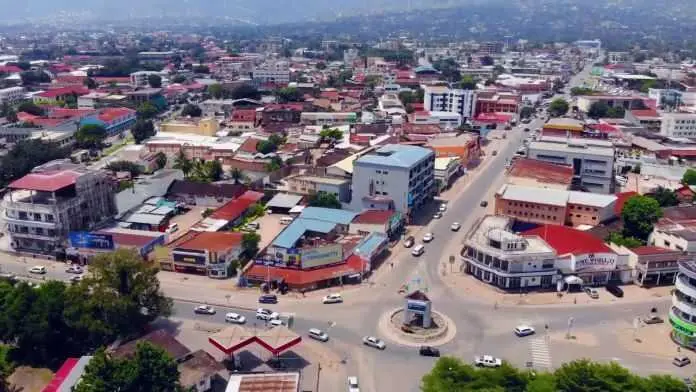
Bujumbura is Burundi’s energetic lakeside gateway, where markets, neighbourhood cafés, city history and Lake Tanganyika sit within a compact urban landscape.
The city is the country’s economic centre and the starting point for most international visitors. It deserves more than an airport transfer: the contrast between busy streets, rising hills and the open lake gives Bujumbura a character found nowhere else in Burundi.
A successful visit starts before arrival. The most important questions are not only what to see, but who confirms access, how long the road really takes and what local expectations apply.
A strong visit to Bujumbura is measured by context, attention and respect—not by how quickly the headline attraction can be photographed.
Build a realistic route.
Most travellers arrive through Melchior Ndadaye International Airport. Arrange a reliable transfer, build extra time around traffic and use a local guide for markets, history and neighbourhood context rather than moving only between hotels.
Confirm the route and starting time the day before. Share the plan with the driver or guide, check what fees include and avoid building a tight connection immediately after the visit.
Burundi’s compact map can disguise slow roads, elevation changes and worthwhile stops. Discuss the complete day with a driver or guide, protect daylight for the return and avoid placing a flight or fixed appointment immediately after a remote journey.
What to notice and do.
A satisfying day can combine a market, local coffee, a city-history stop, lunch and late light beside Lake Tanganyika. Rusizi and the Livingstone–Stanley Monument are natural additions when time allows.
Arrive with a basic understanding, then let local interpretation lead. Ask open questions and avoid measuring the experience against famous destinations elsewhere.
Let the guide explain what is visible and what is not. History, ecology, agriculture and community life often overlap here, so the most valuable question is not only “What is this?” but “Why does it matter in Burundi today?”
Four anchors for the visit
- Lake Tanganyika waterfront
- Local markets
- Burundian food
- Easy day trips
Travel as a guest.
Ask before photographing people, markets or workplaces. Avoid photography of government, police, military and other sensitive facilities, and dress neatly when entering communities or places of worship.
A visit is strongest when local people retain control over access, storytelling and photography. Treat guidance as part of the experience rather than an obstacle.
Use locally based expertise where possible, pay clearly agreed fees and carry out everything brought into natural areas. Ask before portraits, homes, work or ceremonies. If access is limited for community, conservation or safety reasons, respect the limit without argument.
A practical checklist.
Pack a charged phone, offline map, water, small cash, weather protection and shoes appropriate to the ground. Keep valuables minimal and discreet.
- Confirm access, guide and transport shortly before travel.
- Build road and weather margins into the day.
- Carry water, small cash and offline contact details.
- Match shoes and clothing to terrain and local etiquette.
- Ask before photographing people or sensitive locations.
- Recheck health, insurance and official travel advice.
Useful answers before you go.
How much time should I allow for Bujumbura?
1–3 days is a useful starting point. Final timing should reflect the road, weather, group pace and whether the visit is combined with another place.
Do I need a local guide for Bujumbura?
A local guide is strongly useful for interpretation, current access and responsible behaviour. For protected areas, community visits, performances and remote routes, guiding may be essential.
What should I confirm before visiting Bujumbura?
Confirm current access, transport, fees, guide arrangements, weather and the return or overnight plan. Entry, roads and operating arrangements can change.
Can Bujumbura be combined with other places?
Yes, but combinations should be based on real road time rather than map distance. Choose one major experience and one complementary stop instead of overloading the day.