Choosing a Guide for Burundi Road Journeys
Choose a responsible local guide for Burundi Road Journeys with questions about experience, fees, language, safety, community ties and inclusions.
Begin with the place, not the checklist.
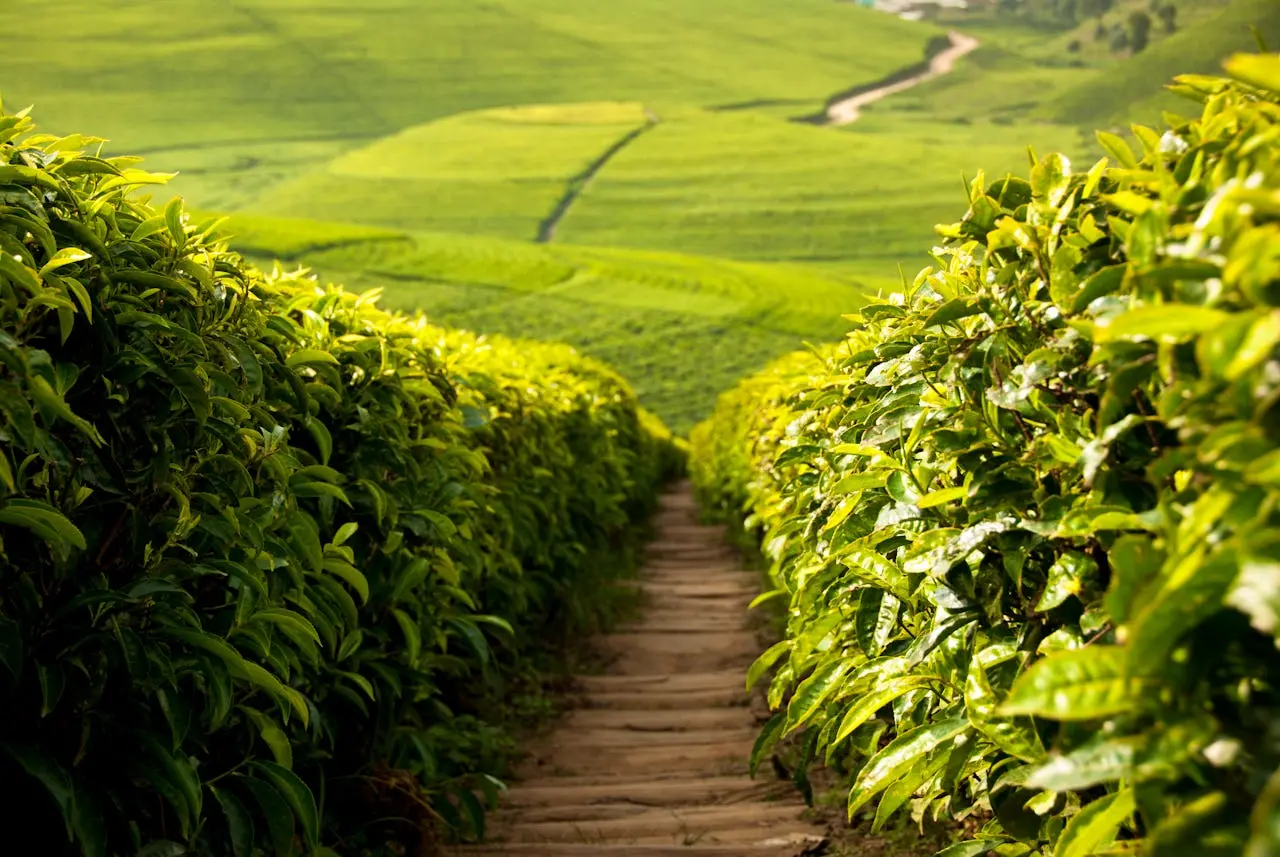
Road travel is how most visitors understand Burundi, linking the lakeshore, central plateau, tea hills, forests, waterfalls and provincial towns.
A national route is not only transport between attractions. Elevation, crops, architecture and roadside activity change quickly, making the road itself part of the guide.
The right guide does more than point out a location. They interpret context, confirm access, manage timing and help a visit create value without crossing community or conservation boundaries.
A strong visit to Burundi Road Journeys is measured by context, attention and respect—not by how quickly the headline attraction can be photographed.
Build a realistic route.
Use a suitable maintained vehicle and an experienced local driver. Agree fuel, daily hours, overnight costs, route and inclusions in writing before a multi-day journey.
Ask about language, recent experience, group size, vehicle, entry fees, meals, cancellation terms and what happens if conditions change. Put the agreement in writing.
Burundi’s compact map can disguise slow roads, elevation changes and worthwhile stops. Discuss the complete day with a driver or guide, protect daylight for the return and avoid placing a flight or fixed appointment immediately after a remote journey.
What to notice and do.
Plan fewer stops well, build daylight margins and allow spontaneous pauses where it is safe and appropriate. A driver-guide can turn passing scenery into understandable geography.
Share interests before the day but allow the guide to adjust to local realities. Good interpretation should be specific, honest and comfortable admitting uncertainty.
Let the guide explain what is visible and what is not. History, ecology, agriculture and community life often overlap here, so the most valuable question is not only “What is this?” but “Why does it matter in Burundi today?”
Four anchors for the visit
- National routes
- Driver-guide travel
- Regional variety
- Flexible pacing
Travel as a guest.
Do not photograph through windows without considering people’s privacy. Support local cafés and accommodation, keep waste in the vehicle and follow community access norms.
Prefer guides with clear local relationships and responsible photography or wildlife standards. A low price alone is not evidence of good value.
Use locally based expertise where possible, pay clearly agreed fees and carry out everything brought into natural areas. Ask before portraits, homes, work or ceremonies. If access is limited for community, conservation or safety reasons, respect the limit without argument.
A practical checklist.
Bring the confirmed programme, contact numbers, payment record and questions you want answered. Keep emergency and accommodation details available offline.
- Confirm access, guide and transport shortly before travel.
- Build road and weather margins into the day.
- Carry water, small cash and offline contact details.
- Match shoes and clothing to terrain and local etiquette.
- Ask before photographing people or sensitive locations.
- Recheck health, insurance and official travel advice.
Useful answers before you go.
How much time should I allow for Burundi Road Journeys?
3–14 days is a useful starting point. Final timing should reflect the road, weather, group pace and whether the visit is combined with another place.
Do I need a local guide for Burundi Road Journeys?
A local guide is strongly useful for interpretation, current access and responsible behaviour. For protected areas, community visits, performances and remote routes, guiding may be essential.
What should I confirm before visiting Burundi Road Journeys?
Confirm current access, transport, fees, guide arrangements, weather and the return or overnight plan. Entry, roads and operating arrangements can change.
Can Burundi Road Journeys be combined with other places?
Yes, but combinations should be based on real road time rather than map distance. Choose one major experience and one complementary stop instead of overloading the day.