Bururi Forest Nature Reserve Photography Guide
Photograph Bururi Forest Nature Reserve thoughtfully with advice on light, composition, permission, equipment and respectful travel photography in Burundi.
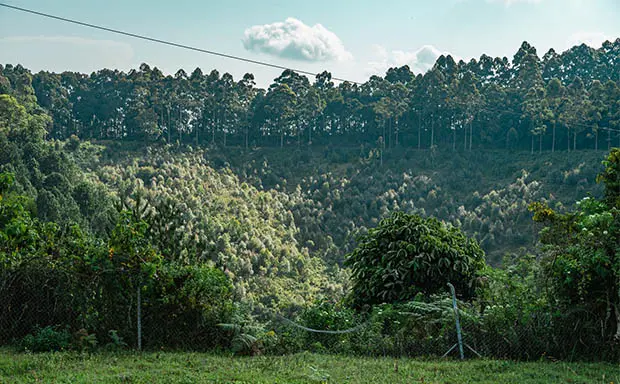
Begin with the place, not the checklist.
Bururi Forest offers a quieter highland nature experience with forest trails, birds and cooler air near the southern town of Bururi.
The reserve is smaller and less internationally known than Kibira. Its appeal lies in intimate forest detail, birding and the chance to include nature within a broader southern itinerary.
Strong travel photography begins with understanding, not equipment. Light and composition matter, but consent, patience and accurate captions determine whether an image is responsible.
A strong visit to Bururi Forest Nature Reserve is measured by context, attention and respect—not by how quickly the headline attraction can be photographed.
Build a realistic route.
Arrange local guiding and confirm trail conditions before arrival. Bururi can work as an overnight base when combining forest, Rutovu and routes farther south.
Discuss photography rules before arrival and identify sensitive subjects or locations. Build time for changing light rather than holding up a group unexpectedly.
Burundi’s compact map can disguise slow roads, elevation changes and worthwhile stops. Discuss the complete day with a driver or guide, protect daylight for the return and avoid placing a flight or fixed appointment immediately after a remote journey.
What to notice and do.
Walk slowly, listen for birds and notice the transition between forest and surrounding highlands. Binoculars, closed shoes and a light rain layer improve the day.
Make wide frames that show context, medium views that reveal relationships and details that express texture. Spend time observing before directing attention through a lens.
Let the guide explain what is visible and what is not. History, ecology, agriculture and community life often overlap here, so the most valuable question is not only “What is this?” but “Why does it matter in Burundi today?”
Four anchors for the visit
- Forest walking
- Birding
- Cool climate
- Southern itinerary
Travel as a guest.
Remain on agreed trails, minimise noise, avoid removing plants and take all waste out. Follow instructions designed to protect habitat.
Ask clearly before portraits, never photograph children without appropriate consent and avoid military, police, government or other sensitive facilities.
Use locally based expertise where possible, pay clearly agreed fees and carry out everything brought into natural areas. Ask before portraits, homes, work or ceremonies. If access is limited for community, conservation or safety reasons, respect the limit without argument.
A practical checklist.
A light camera or phone, spare battery, lens cloth and rain protection are usually enough. Carry equipment discreetly and back up important images.
- Confirm access, guide and transport shortly before travel.
- Build road and weather margins into the day.
- Carry water, small cash and offline contact details.
- Match shoes and clothing to terrain and local etiquette.
- Ask before photographing people or sensitive locations.
- Recheck health, insurance and official travel advice.
Useful answers before you go.
How much time should I allow for Bururi Forest Nature Reserve?
Half to full day is a useful starting point. Final timing should reflect the road, weather, group pace and whether the visit is combined with another place.
Do I need a local guide for Bururi Forest Nature Reserve?
A local guide is strongly useful for interpretation, current access and responsible behaviour. For protected areas, community visits, performances and remote routes, guiding may be essential.
What should I confirm before visiting Bururi Forest Nature Reserve?
Confirm current access, transport, fees, guide arrangements, weather and the return or overnight plan. Entry, roads and operating arrangements can change.
Can Bururi Forest Nature Reserve be combined with other places?
Yes, but combinations should be based on real road time rather than map distance. Choose one major experience and one complementary stop instead of overloading the day.