Karera Waterfalls with Children: Family Guide
Plan a family visit to Karera Waterfalls with advice on pace, safety, food, transport, learning and child-friendly preparation.
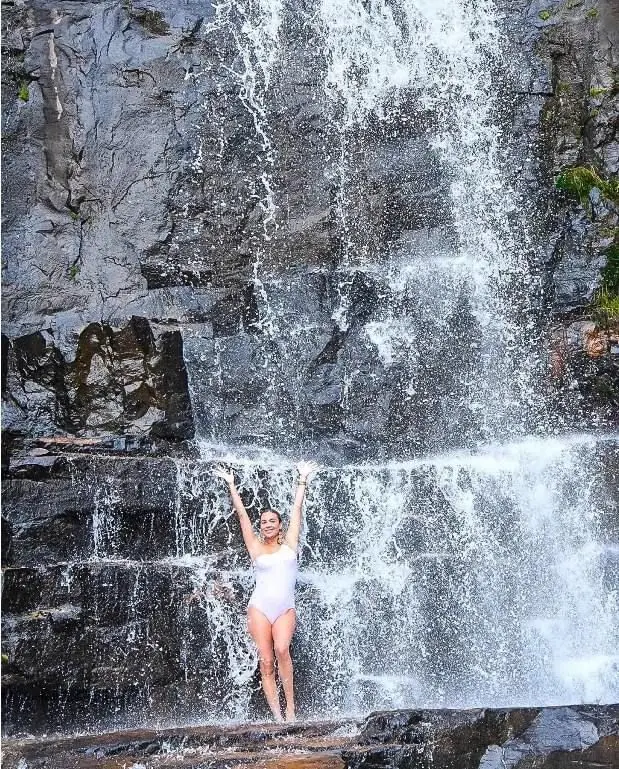
Begin with the place, not the checklist.
Karera is a sequence of cascades moving through rock and green vegetation in Burundi’s southern highlands, best experienced as a patient walk.
Different viewpoints reveal different parts of the waterfall system. Water volume changes with the season, while the long journey into Rutana adds farms, hills and smaller towns to the experience.
Family travel works best when the day is shorter, the purpose is easy to explain and adults build in food, rest and flexibility before children need them.
A strong visit to Karera Waterfalls is measured by context, attention and respect—not by how quickly the headline attraction can be photographed.
Build a realistic route.
Karera is a demanding return day from Bujumbura. An early departure or regional overnight creates more time for the falls and possible combination with Nyakazu Fault.
Confirm travel time, toilets, shade and meal options. Avoid placing a long road journey on both sides of an intense visit, and carry familiar snacks without replacing local food entirely.
Burundi’s compact map can disguise slow roads, elevation changes and worthwhile stops. Discuss the complete day with a driver or guide, protect daylight for the return and avoid placing a flight or fixed appointment immediately after a remote journey.
What to notice and do.
Walk beyond the first viewpoint when conditions and guidance allow. Listen, notice the rock formations and keep enough time for safe movement on damp sections.
Give children a simple observation task—listen for a rhythm, count birds, find a plant or sketch a view. Participation creates attention without turning the visit into a lecture.
Let the guide explain what is visible and what is not. History, ecology, agriculture and community life often overlap here, so the most valuable question is not only “What is this?” but “Why does it matter in Burundi today?”
Four anchors for the visit
- Layered cascades
- Rutana scenery
- Short walks
- Nyakazu pairing
Travel as a guest.
Stay on established paths, carry out waste and follow local instructions. Avoid climbing onto exposed wet rocks for photographs.
Model respectful greetings, permission and wildlife distance. Do not encourage children to hand out gifts directly without community guidance.
Use locally based expertise where possible, pay clearly agreed fees and carry out everything brought into natural areas. Ask before portraits, homes, work or ceremonies. If access is limited for community, conservation or safety reasons, respect the limit without argument.
A practical checklist.
Carry water, snacks, sun and rain protection, personal medicines, wipes and a spare layer. Use appropriate child restraints whenever available.
- Confirm access, guide and transport shortly before travel.
- Build road and weather margins into the day.
- Carry water, small cash and offline contact details.
- Match shoes and clothing to terrain and local etiquette.
- Ask before photographing people or sensitive locations.
- Recheck health, insurance and official travel advice.
Useful answers before you go.
How much time should I allow for Karera Waterfalls?
Full day or overnight is a useful starting point. Final timing should reflect the road, weather, group pace and whether the visit is combined with another place.
Do I need a local guide for Karera Waterfalls?
A local guide is strongly useful for interpretation, current access and responsible behaviour. For protected areas, community visits, performances and remote routes, guiding may be essential.
What should I confirm before visiting Karera Waterfalls?
Confirm current access, transport, fees, guide arrangements, weather and the return or overnight plan. Entry, roads and operating arrangements can change.
Can Karera Waterfalls be combined with other places?
Yes, but combinations should be based on real road time rather than map distance. Choose one major experience and one complementary stop instead of overloading the day.