Lake Rwihinda for Couples
Plan a couples trip to Lake Rwihinda with ideas for pacing, meaningful experiences, photography, privacy and nearby route combinations.
Begin with the place, not the checklist.
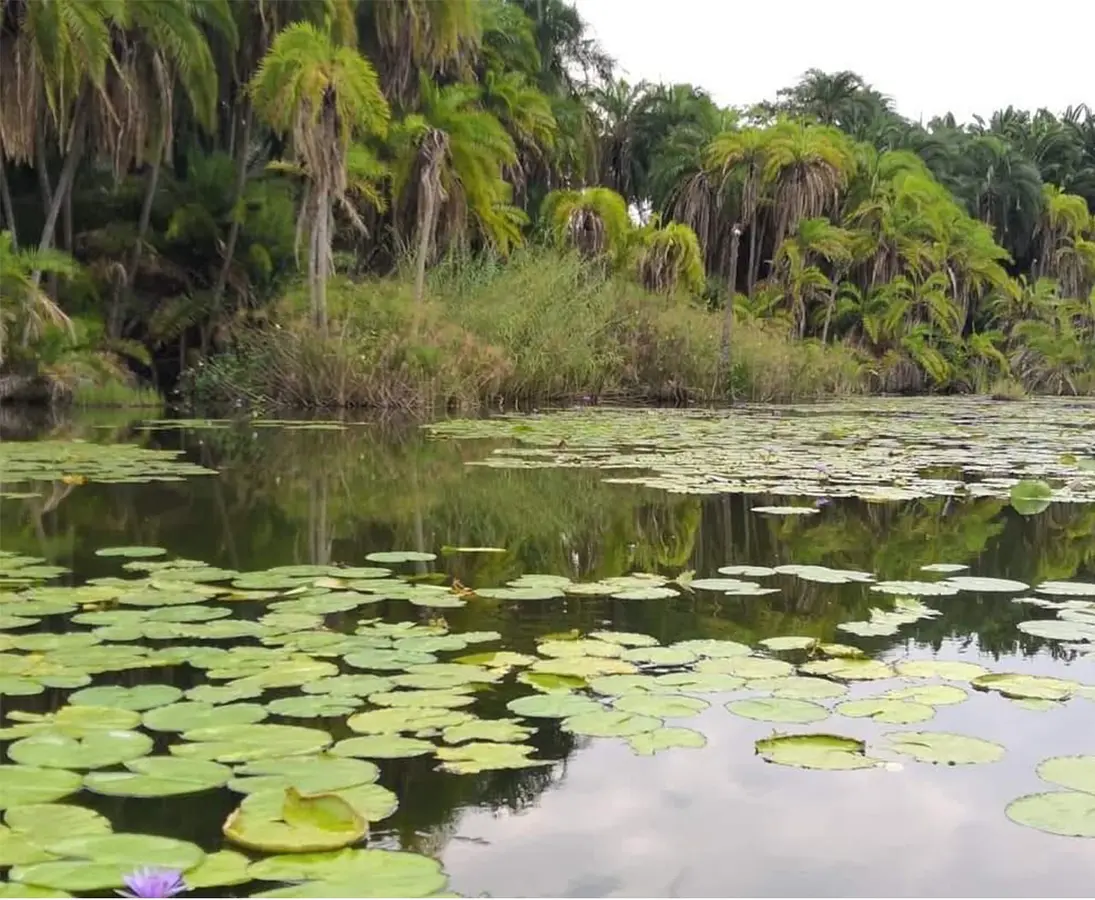
Lake Rwihinda is a peaceful northern wetland of open water, papyrus, water lilies and seasonal birdlife that rewards quiet observation.
Often known as the Bird Lake, Rwihinda changes with migration, water level and season. It is not a guaranteed species checklist; the reserve is best approached with patience and binoculars.
A rewarding trip for two balances shared activity with unstructured time. The strongest moments may be a long view, meal or conversation rather than a packaged romantic gesture.
A strong visit to Lake Rwihinda is measured by context, attention and respect—not by how quickly the headline attraction can be photographed.
Build a realistic route.
Kirundo is a significant road journey from Bujumbura. Include the lake within a northern overnight plan and confirm current guiding and water access before travelling.
Agree the day’s energy level, protect time for meals and avoid turning every moment into content. Choose a route that both travellers can enjoy rather than alternating between overloaded priorities.
Burundi’s compact map can disguise slow roads, elevation changes and worthwhile stops. Discuss the complete day with a driver or guide, protect daylight for the return and avoid placing a flight or fixed appointment immediately after a remote journey.
What to notice and do.
Move quietly, scan reed edges and allow birds to continue feeding or nesting undisturbed. Early light can be beautiful, but the journey should not be rushed simply to reach a particular hour.
Share the observation: one person may notice sound, another detail or landscape. Use a guide for context and keep part of the visit free from phones or cameras.
Let the guide explain what is visible and what is not. History, ecology, agriculture and community life often overlap here, so the most valuable question is not only “What is this?” but “Why does it matter in Burundi today?”
Four anchors for the visit
- Waterbirds
- Papyrus
- Water lilies
- Northern landscapes
Travel as a guest.
Avoid disturbing nests, feeding areas or vegetation. Choose low-impact movement, take all waste away and follow local reserve guidance.
Public affection expectations vary, especially in rural or religious settings. Follow local norms and keep portraits or community interactions respectful.
Use locally based expertise where possible, pay clearly agreed fees and carry out everything brought into natural areas. Ask before portraits, homes, work or ceremonies. If access is limited for community, conservation or safety reasons, respect the limit without argument.
A practical checklist.
Divide essential documents, money and charging equipment between two bags. Add one shared rain layer plan, water and a small first-aid kit.
- Confirm access, guide and transport shortly before travel.
- Build road and weather margins into the day.
- Carry water, small cash and offline contact details.
- Match shoes and clothing to terrain and local etiquette.
- Ask before photographing people or sensitive locations.
- Recheck health, insurance and official travel advice.
Useful answers before you go.
How much time should I allow for Lake Rwihinda?
Half to full day is a useful starting point. Final timing should reflect the road, weather, group pace and whether the visit is combined with another place.
Do I need a local guide for Lake Rwihinda?
A local guide is strongly useful for interpretation, current access and responsible behaviour. For protected areas, community visits, performances and remote routes, guiding may be essential.
What should I confirm before visiting Lake Rwihinda?
Confirm current access, transport, fees, guide arrangements, weather and the return or overnight plan. Entry, roads and operating arrangements can change.
Can Lake Rwihinda be combined with other places?
Yes, but combinations should be based on real road time rather than map distance. Choose one major experience and one complementary stop instead of overloading the day.