Lake Tanganyika Solo Travel Guide
A practical solo travel guide to Lake Tanganyika, covering local guides, transport, safety, costs, communication and responsible planning.
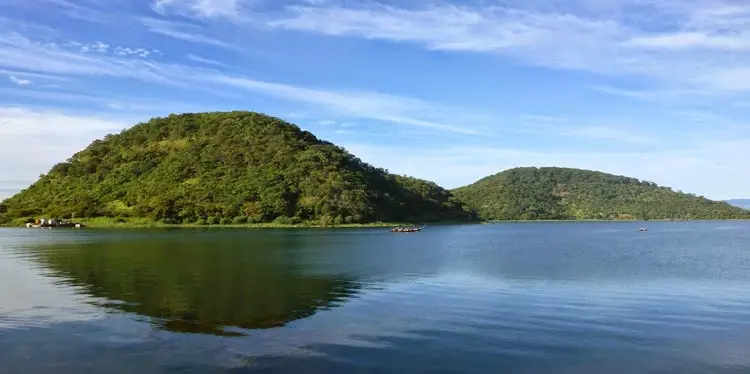
Begin with the place, not the checklist.
Lake Tanganyika gives western Burundi its horizon, supporting fishing communities, birdlife, beaches, boat journeys and Bujumbura’s distinctive evening light.
One of Africa’s Great Lakes, Tanganyika is part of daily life as well as the visitor experience. Its scale is most obvious at sunset, when fishing boats become silhouettes and distant ridges define the opposite horizon.
Solo travel offers freedom, but remote and specialist visits are often better with local support. A guide adds interpretation, helps confirm access and reduces avoidable uncertainty.
A strong visit to Lake Tanganyika is measured by context, attention and respect—not by how quickly the headline attraction can be photographed.
Build a realistic route.
The lake is immediately accessible from Bujumbura, while the road south toward Rumonge reveals quieter shorelines. Boat trips should be arranged with a professional operator using a maintained vessel and appropriate safety equipment.
Share the day’s route with a trusted contact, arrange transport before departure and keep accommodation informed of return timing. Avoid depending on a last-minute ride from an isolated place.
Burundi’s compact map can disguise slow roads, elevation changes and worthwhile stops. Discuss the complete day with a driver or guide, protect daylight for the return and avoid placing a flight or fixed appointment immediately after a remote journey.
What to notice and do.
Allow time simply to watch the water, but also seek context through a fishing community, a carefully planned boat outing or a slow drive south. The lake changes with weather, wind and water level.
Use the flexibility of solo travel to slow down and talk, while maintaining clear boundaries. Joining a responsible guided outing can add social context without sacrificing independence.
Let the guide explain what is visible and what is not. History, ecology, agriculture and community life often overlap here, so the most valuable question is not only “What is this?” but “Why does it matter in Burundi today?”
Four anchors for the visit
- Sunset views
- Boat outings
- Fresh fish
- Southern shoreline
Travel as a guest.
Treat working beaches and fishing areas as community spaces. Ask before photographing people or equipment, avoid litter and do not pressure operators to approach wildlife too closely.
Do not ask one local person to carry all responsibility for the visit without fair compensation. Pay guides clearly and respect personal and community boundaries.
Use locally based expertise where possible, pay clearly agreed fees and carry out everything brought into natural areas. Ask before portraits, homes, work or ceremonies. If access is limited for community, conservation or safety reasons, respect the limit without argument.
A practical checklist.
Keep documents, backup money, phone power and key contacts in separate secure places. Carry only the equipment you can manage comfortably.
- Confirm access, guide and transport shortly before travel.
- Build road and weather margins into the day.
- Carry water, small cash and offline contact details.
- Match shoes and clothing to terrain and local etiquette.
- Ask before photographing people or sensitive locations.
- Recheck health, insurance and official travel advice.
Useful answers before you go.
How much time should I allow for Lake Tanganyika?
A few hours to several days is a useful starting point. Final timing should reflect the road, weather, group pace and whether the visit is combined with another place.
Do I need a local guide for Lake Tanganyika?
A local guide is strongly useful for interpretation, current access and responsible behaviour. For protected areas, community visits, performances and remote routes, guiding may be essential.
What should I confirm before visiting Lake Tanganyika?
Confirm current access, transport, fees, guide arrangements, weather and the return or overnight plan. Entry, roads and operating arrangements can change.
Can Lake Tanganyika be combined with other places?
Yes, but combinations should be based on real road time rather than map distance. Choose one major experience and one complementary stop instead of overloading the day.